Skip to content

Why Slowing Rainfall Runoff Matters

Here in Southern California two realities define everything about rainfall:
 
1) We don’t get much of it, and
2) When it comes, it arrives fast, runs off concrete, and gets dumped into the ocean.

Slowing down stormwater isn’t about stopping the rain from draining.

It’s about changing what happens on the way to the drain.

Why Slowing Rainfall Runoff Matters in Southern California

Southern California receives limited rainfall, and most of it arrives in short, intense bursts.

Because our region is heavily paved and engineered to move water quickly into storm drains, much of this rainfall is flushed out to sea before it can benefit local communities or ecosystems.
Trees g9ae03b116 1920
Slowing the flow of rainwater is not about stopping drainage.

It is about giving water time to soak into the ground and become part of our local groundwater supply.

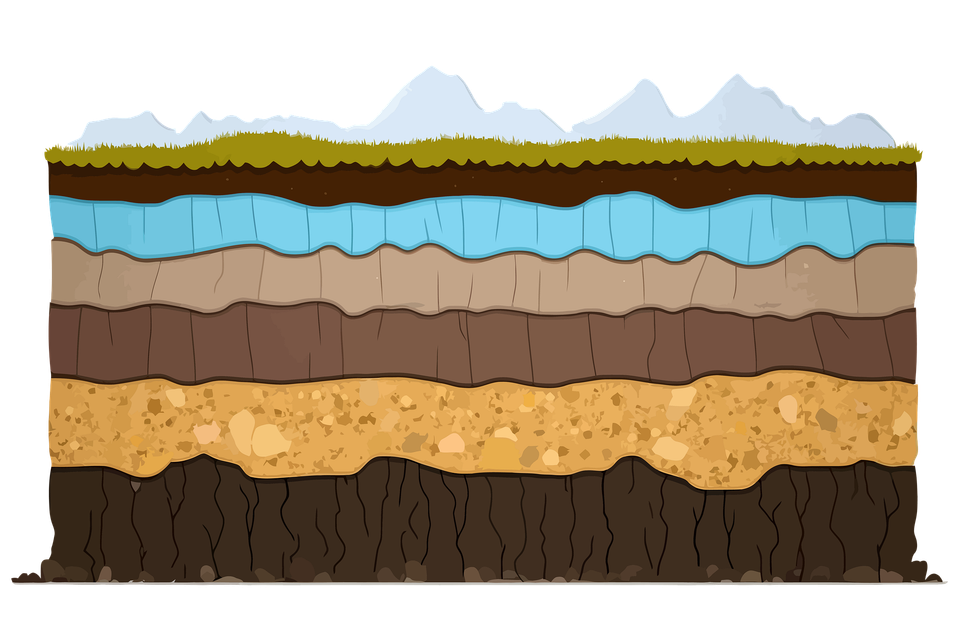
This process is known as infiltration and the natural underground storage it replenishes is our aquifer system.
Ai generated ga48ea6758 1920

What Is Aquifer Recharge?

Aquifer recharge occurs when rainwater or stormwater percolates down through soil and sand into underground basins. These basins act as natural reservoirs that hold water for long periods of time.

Think of it as refilling nature's storage tank below our feet.
Puddle gece3b59cc 1920

Why This Matters in Southern California

Our region imports a significant portion of its water from hundreds of miles away through aqueduct systems that are expensive to maintain and vulnerable to drought, legal restrictions, and climate pressures.

At the same time, storm drains rapidly move local rainfall into the ocean.

We are throwing away the water we already have.
By slowing runoff and encouraging water infiltration, we can:
 
  • Increase our local water supply
  • Reduce dependence on imported water
  • Protect groundwater levels during drought
  • Improve water quality flowing into the ocean
  • Reduce flooding during heavy storms

Key Benefits of Aquifer Recharge

1. Increased Local Water Supply
Water stored underground is available when we need it. Groundwater can buffer our communities during periods of drought and reduce the need for costly long-distance imports.

2. Long-Term Drought Protection
Groundwater is a reserve that can sustain homes, agriculture, and ecosystems when surface water is scarce. Healthy aquifers stabilize communities.

3. Improved Water Quality
As water infiltrates, soil and microbial life naturally filter out contaminants. This reduces pollution flowing into rivers, lagoons, and the ocean and helps prevent beach closures.

4. Flood Risk Reduction
Allowing water to spread out and soak in reduces the volume of rapid runoff that can overwhelm storm drains during intense rainfall events.

5. Revitalized Rivers, Wetlands, and Wildlife Habitat
Slower runoff allows natural streambeds and floodplains to absorb water, helping restore habitats for native plants, fish, birds, and pollinators. It supports healthier riparian ecosystems across urban and rural landscapes.

6. Support for Urban Trees and Local Agriculture
Higher groundwater levels make it easier for roots to access water. This strengthens shade canopies and reduces irrigation needs in both city and agricultural environments.
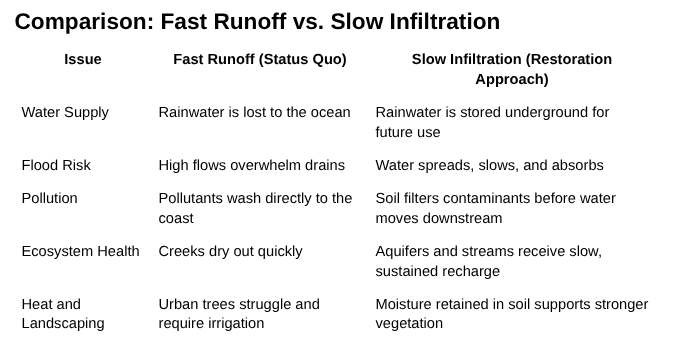
Comparison fastrunoff slowinfiltration

The Restoration Opportunity

Southern California has already engineered the ability to move water. Now we must learn to hold onto it.

Restoring infiltration is one of the most practical and cost-effective climate resilience strategies available. It strengthens local water security, improves ecological health, regulates temperature, supports agriculture, and keeps our rivers and beaches cleaner.

This is not a theoretical idea. It is a shift we can begin today at every scale:
  • Individual homes and landscapes
  • Neighborhood stormwater projects
  • City and county water management planning
  • Riverbed and floodplain restoration

Every slowed drop helps.

Get Involved with Infiltration Restoration ICU

Join us in making Southern California a better place to live, work, and play.